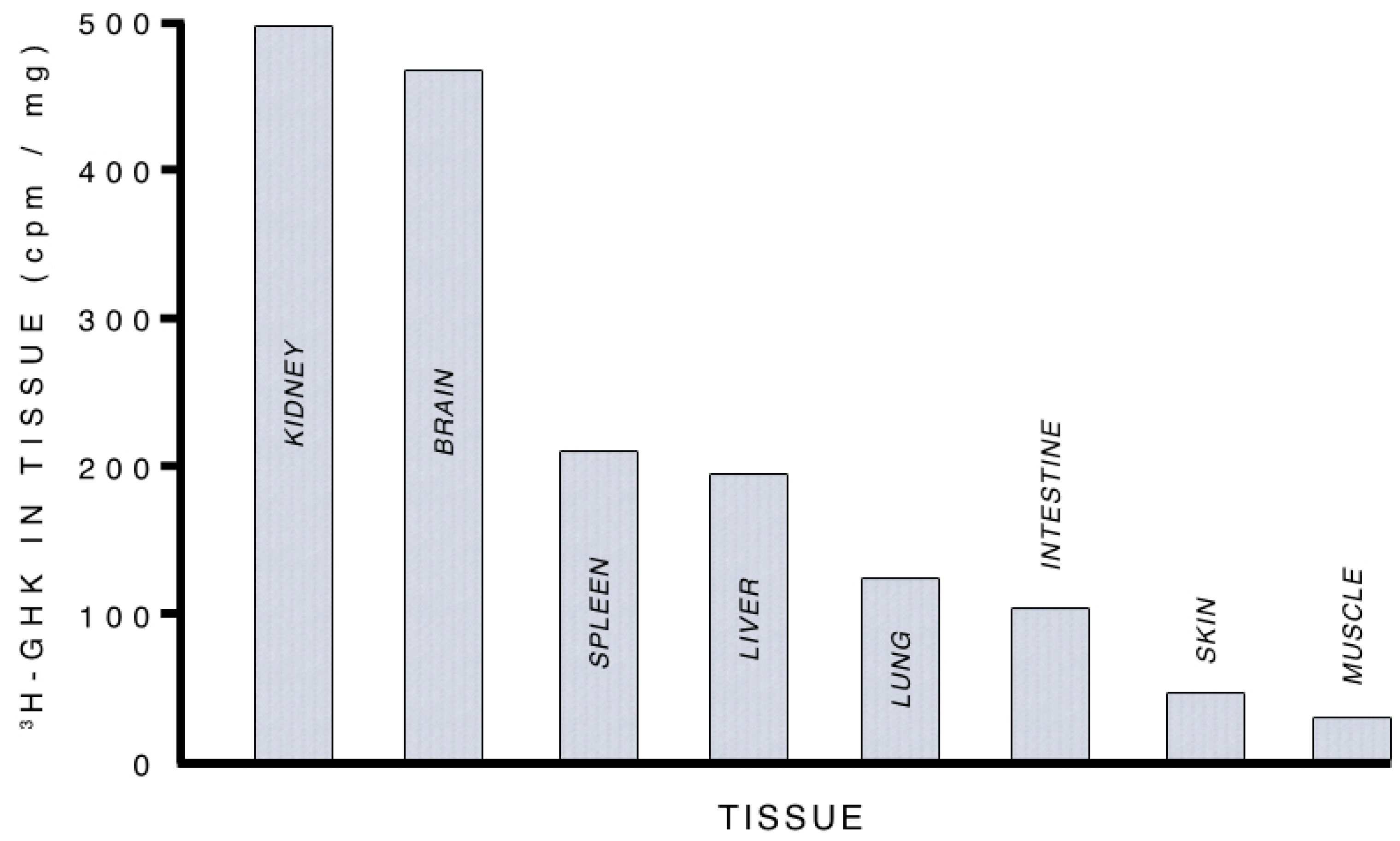
[1] The peptide has been studied for its potential in mitigating cell aging, inducing protein synthesis, minimizing free-radical damage, preventing bacterial infection, and improving the function of skin fibroblasts
Some studies suggest that 10 to 20% of patients continue experiencing symptoms beyond one year despite conservative treatment
Licensed healthcare provider oversight ensures proper research protocols and safety considerations are in place during experimental procedures
It helps convert food into fuel and supports healthy nerve and blood cell function
This is a commonly referenced study from 1963 claiming a half-life of 5-6 days: nature.com/articles/198200a0 Although I would not cite it as an authority, the six-day half-life has also made it onto the B12 page in Wikipedia, seemingly unchallenged
Richard Heyer, a dermatologist at the University of Michigan, stated in a 2023 interview with Dermatology Times : "Copper peptides have compelling preclinical biology, but we need well-powered RCTs before we can recommend them with the same confidence as retinoids or established growth factors." This perspective reflects the broader clinical sentiment