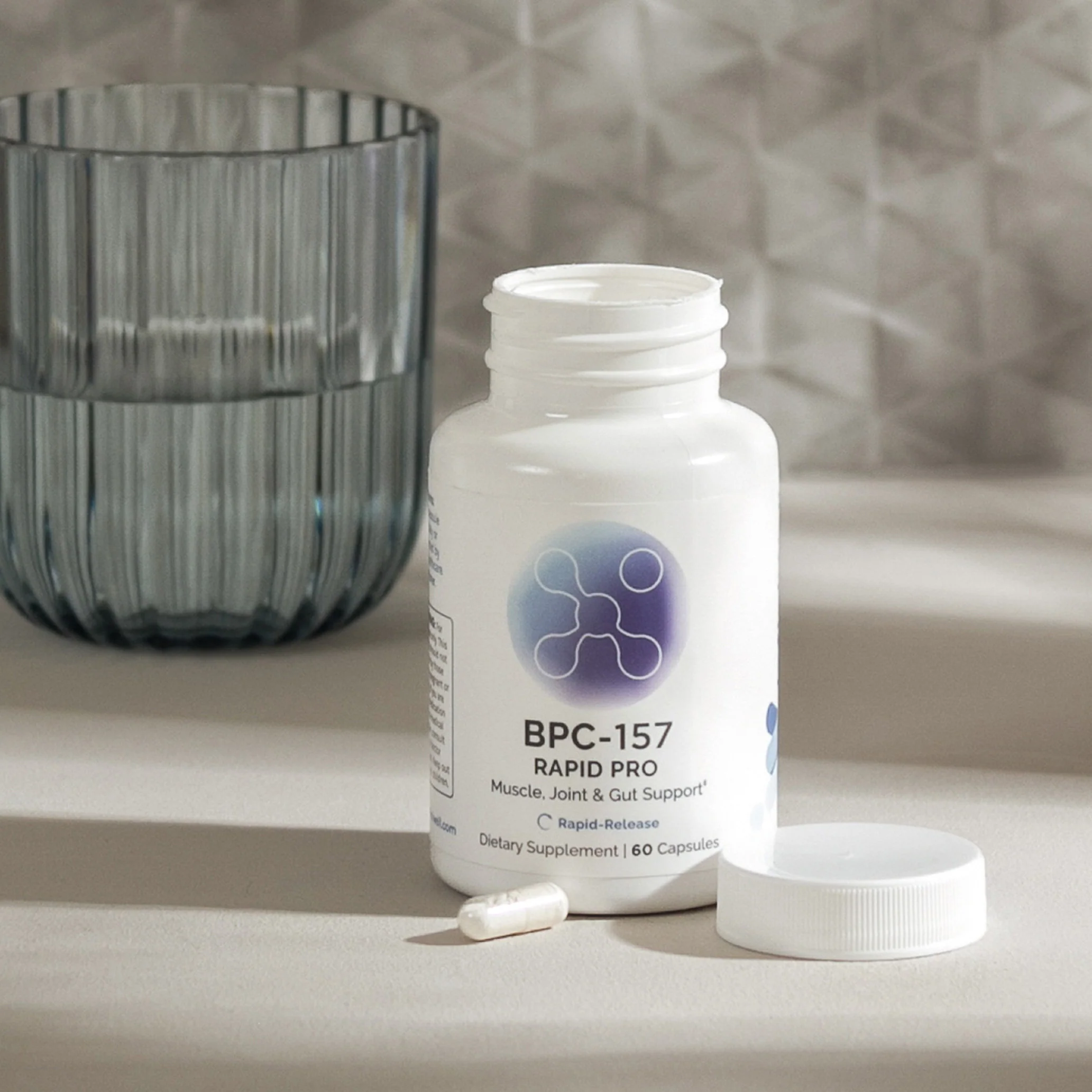
While every patient at The PIP Rx receives individualized guidance, BPC-157 with the addition of tb500 is often ideal for: Active adults looking to improve recovery Individuals with chronic tendon or joint discomfort Patients focused on longevity and proactive aging Those recovering from repetitive strain injuries Individuals seeking gut lining support Most importantly, we evaluate your goals, health history, and current symptoms before recommending any peptide protocol
Every healthy meal is a step forward
GHK-Cu vs BPC-157 Protocol Structure For educational reference only, a common GHK-Cu vs BPC-157 protocol comparison looks like this: Typical GHK-Cu Educational Reference Pattern 1.02.0 mg per administration Often 35 times per week Common 812 week structure Usually chosen for collagen and tissue-remodeling-focused research Typical BPC-157 Educational Reference Pattern 200600 mcg daily Often once daily Common 812 week structure Usually chosen for tendon, ligament, muscle, and recovery-focused research These are educational reference frameworks only based on common third-party protocol examples and should not be interpreted as medical advice
However, the evidence is obtained that BPC 157 action initially affects expression of particular genes (i.e., Akt1, Grb2, Nos3, Pik3cd, Prkcg, Ptk2, and Src )
3 Workdays Women Clothing Beachwear Curve Kids Men Clothing Home & Living Underwear & Sleepwear Shoes Jewelry & Accessories Beauty & Health Home Textiles Cell Phones & Accessories Electronics Sports & Outdoors Toys & Games Baby & Maternity Bags & Luggage Tools & Home Improvement Office & School Supplies Pet Supplies Appliances Automotive
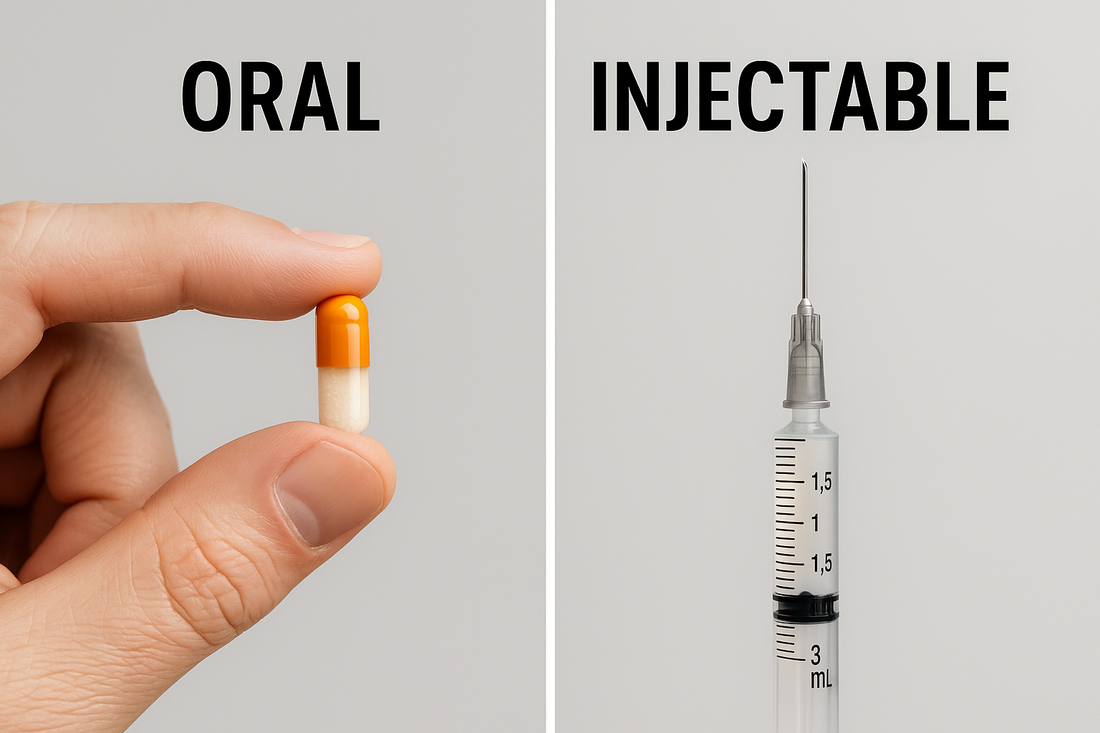
The slower absorption profile of subcutaneous delivery suits BPC-157's mechanism: as a tissue-signaling peptide, it benefits from sustained presence in circulation rather than rapid spikes