This is not a complete medical list
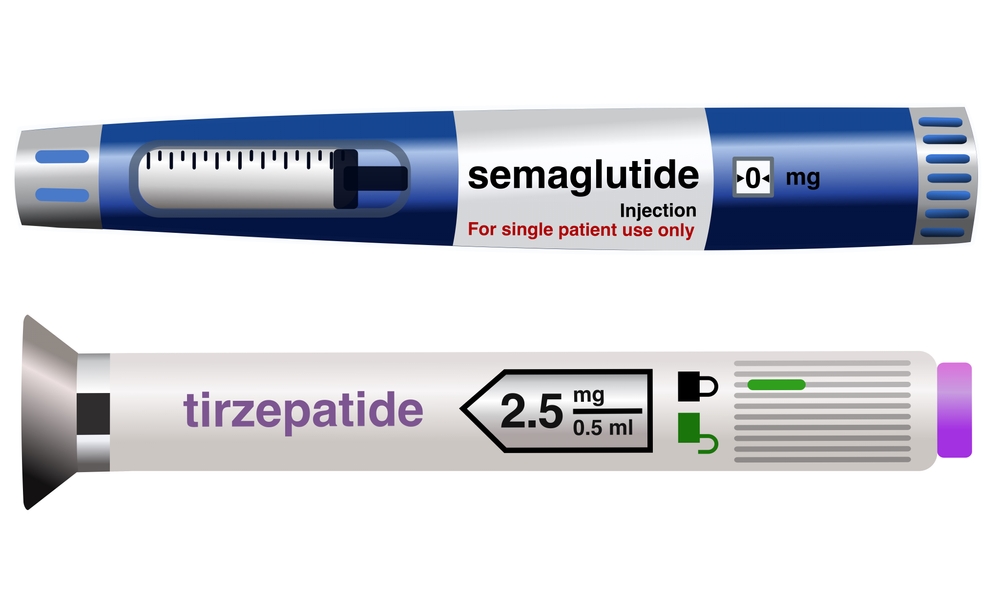
Typical PA requirements include: Confirmed diagnosis of type 2 diabetes or obesity Documented BMI (often 30 or 27 with comorbidities) Failed trials of other medications Lifestyle modification attempts Recent A1C lab values (for diabetes) Documentation Must Include Height and weight with calculated BMI Diagnosis supporting medical necessity Treatment plan Follow-up and monitoring plan Compliance & Audit Risk GLP-1 medications are a high-risk audit target due to: Rapid growth in utilization High drug cost Off-label prescribing Weight-loss demand Common audit issues: Incorrect diagnosis codes Missing BMI documentation Lack of medical necessity Billing weight-loss drugs to Medicare Inappropriate use of unclassified J-codes Medicare Coverage Rules Medicare Part D generally does not cover weight-loss drugs , even if FDA-approved for obesity
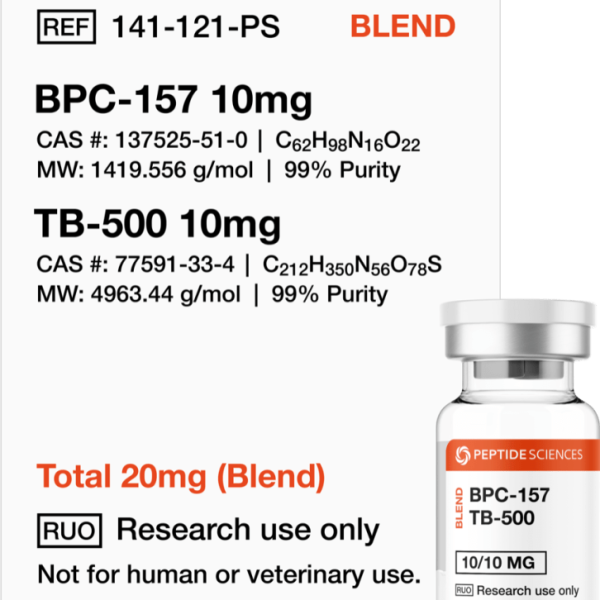
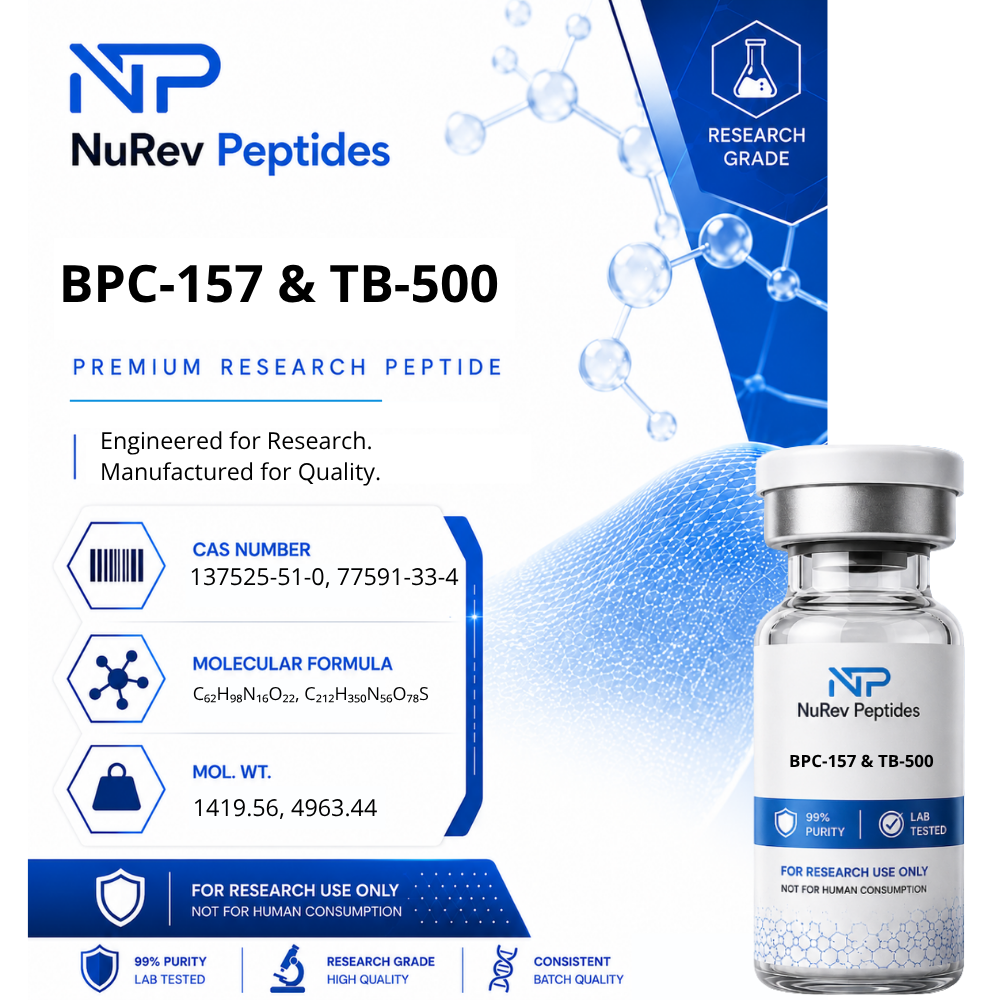
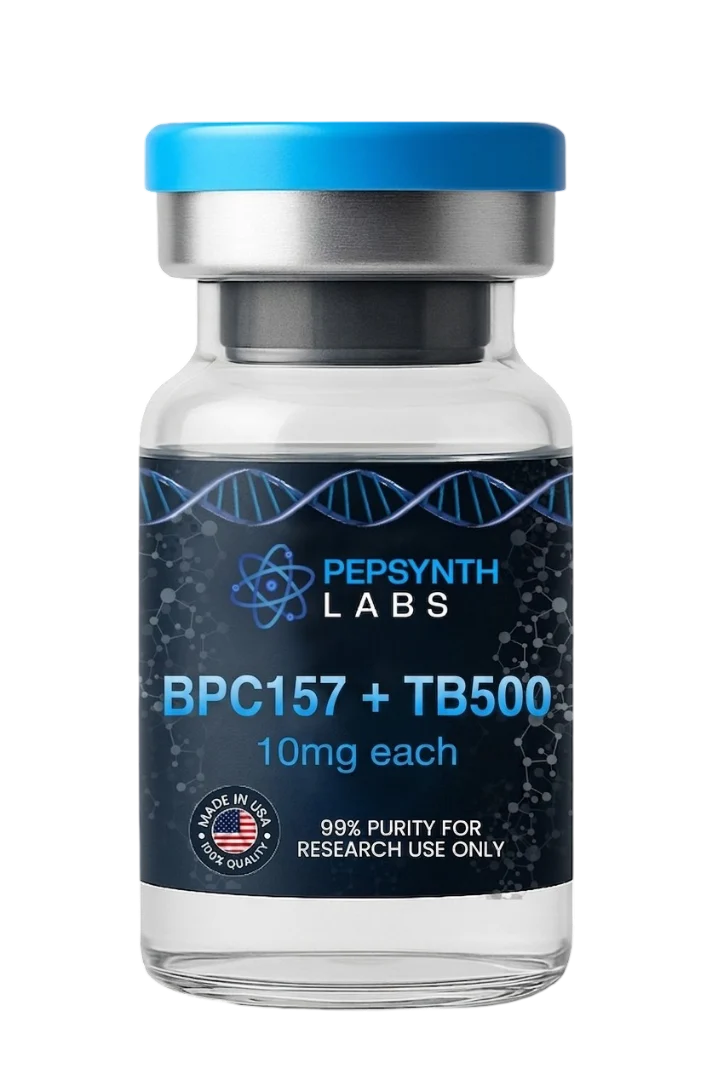
Food and Drug Administration (FDA) for many of the recovery, tendon, ligament, joint, or musculoskeletal uses that are frequently discussed online
The binding of glutamate on mGluRs activates and dissociates G proteins, which then directly associate with ion channels or bind to other effector proteins such as enzymes (Fig
Also they remove baby fat from cheeks to make them more contoured
If energy, focus, or workout support is your main goal, start with our guide to B12 shots in Sioux Falls