[2] Consumers should check the Food Standards Agency (FSA) novel food authorisation list before purchasing any NAD+ precursor product
Another recent study, 344 which examined the impacts of another GLP-1, GIP and GCGR tri-agonist in rodents, found that treatment with this agonist decreased body weight, food intake and hyperglycaemia
Based on early human studies and animal research, GLP-1 agonists may affect: Reward-related eating behaviours by potentially modulating dopamine signalling in brain reward circuits Food cravings and hedonic eating (eating for pleasure rather than hunger) Impulsivity around food , possibly reducing the compulsive aspects of eating Satiety signalling , enhancing the feeling of fullness after meals Some patients using GLP-1 medications for diabetes or weight management report not just reduced appetite but also diminished preoccupation with food, fewer intrusive thoughts about eating, and reduced cravings for specific foods, particularly those high in fat and sugar
The hypothesis driving dual-agonist research is that engaging both pathways produces complementary and potentially synergistic metabolic effects
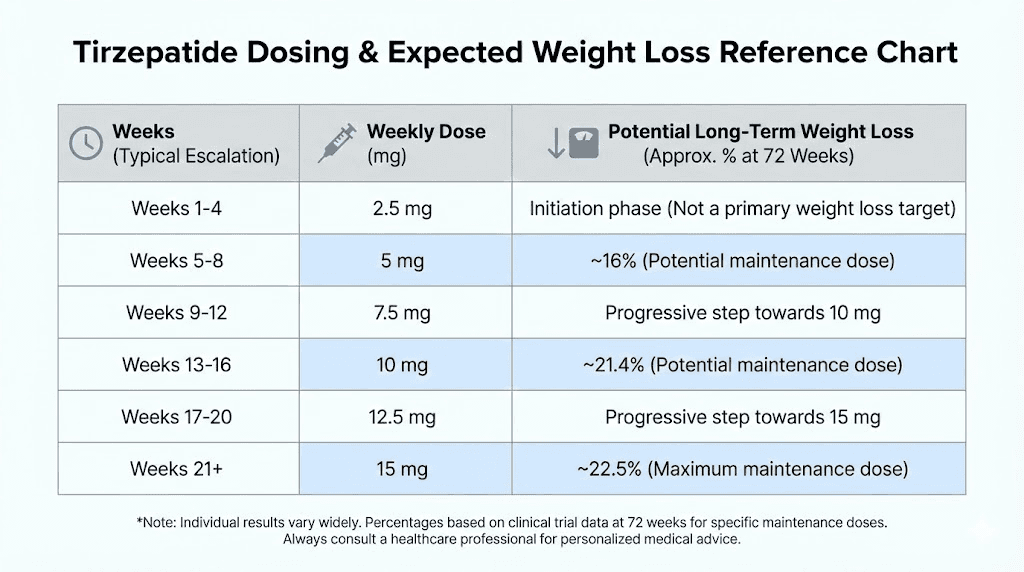
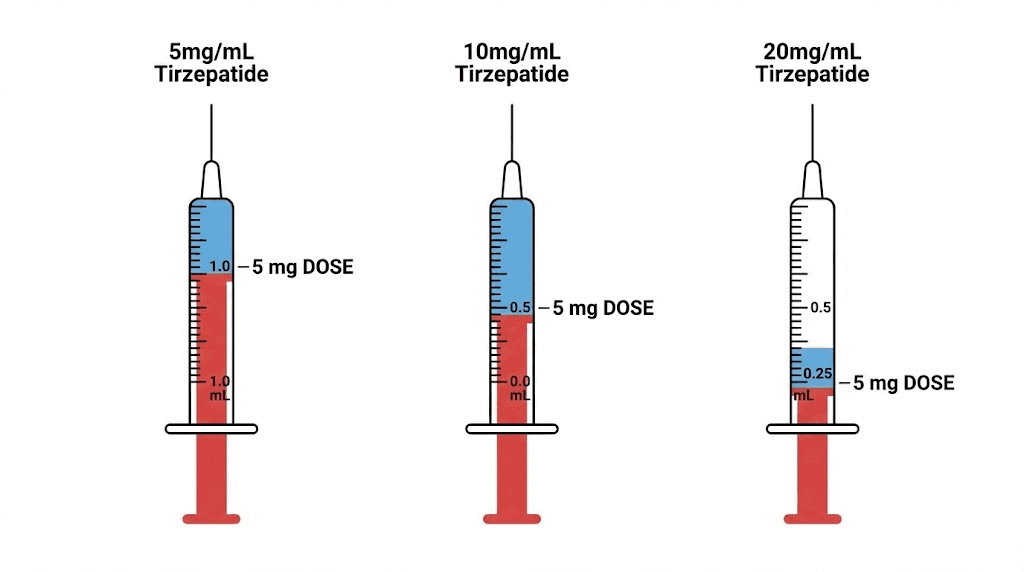
Others investigate providers that offer tirzepatide combined with other compounds, such as tirzepatide with B12 , tirzepatide with glycine , tirzepatide with niacinamide , or tirzepatide levocarnitine blends
The peptide is a dual agonist as described above working on the GIP receptors on top of the GLP1 receptors