Selected lots are independently verified by Janoshik Analytical (Czech Republic) and published on the Janoshik public portal
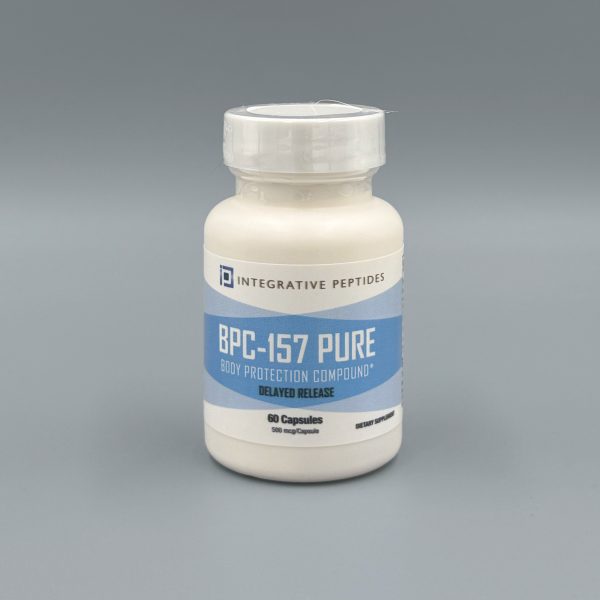
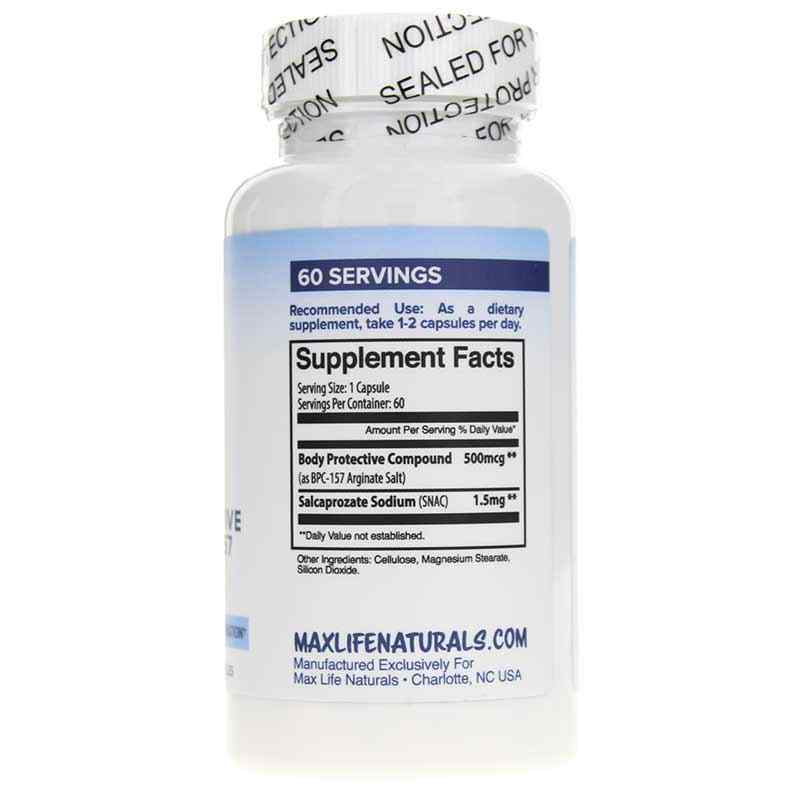
However, not all BPC-157 is created equal
Some love taking their vitamin supplements in the morning, going for a big gulp of water right after their breakfast protein powder, while others prefer taking them (along with a melatonin gummie or sleep supplement) in the evening with their stomachs full before going to sleep
BPC-157 + TB-500 Blend is a combination of two synthetic peptides widely studied in preclinical research for their role in cellular response processes, tissue remodeling, angiogenesis, and regulation of the extracellular matrix
TB-500 is a synthetic research material related to the active regions of thymosin beta-4
Sterile Water Use Bacterostatic Water when: Multiple withdrawals from the same vial are planned Storage period between uses will exceed a few hours Working with peptides compatible with benzyl alcohol Conducting research requiring preserved multi-use preparations Use Sterile Water (preservative-free) when: Single-use application only Working with neonatal research models (benzyl alcohol contraindicated) Reconstituting compounds sensitive to benzyl alcohol Administering solutions intravenously (bacteriostatic agents contraindicated for IV use) Storage & Handling Storage Conditions Unopened vials: Store at controlled room temperature (20-25C / 68-77F) Opened vials: Refrigerate at 2-8C (36-46F) after first use Protect from: Freezing, excessive heat, direct light Shelf life (unopened): Refer to manufacturer expiration date (typically 2-3 years) Shelf life (opened): 28 days when refrigerated and handled with proper aseptic technique Proper Handling Protocol To maintain sterility and preservative efficacy: Always use aseptic technique Swab rubber stopper with 70% isopropyl alcohol before each entry Use sterile needles and syringes Never reuse needles or syringes Avoid contamination Do not touch needle tip or allow it to contact non-sterile surfaces Minimize air exposure Withdraw contents efficiently



.webp)