You should contact your GP if: You have been found to have elevated B12 levels on blood tests, particularly if levels exceed 1000 ng/L (approximately 740 pmol/L, though laboratory reference ranges vary) and you are not taking high-dose supplements You develop new symptoms after starting B12 supplementation, including persistent skin rashes, significant gastrointestinal disturbance, or unexplained symptoms You have underlying liver disease, kidney problems, or blood disorders and are considering B12 supplementation You are taking B12 supplements without medical supervision and have not had your levels checked, particularly if taking doses exceeding 2000 micrograms daily You experience symptoms that might indicate underlying disease, such as unexplained weight loss, persistent fatigue, jaundice, or abdominal swelling Call 999 or go to A&E if you develop severe allergic reactions following B12 injections, including difficulty breathing, facial swelling, or widespread rash, as these may indicate anaphylaxis, though this is extremely rare
When it comes to supplementation, choosing the right format is crucial, as is monitoring for potential side effects of glutathione and adjusting dosage as necessary
In mice model single dosage of 150 mg per kg of cyclophosphamide was administered intraperitoneally then different icariin doses were administered intraperitoneally such as 5 mg, 25 mg, and 50 mg per kg were shown to reduce visceral reflexes and nociception
Int J Mol Sci 12(5):31173132 Zhao H, Huang X, Jiao J et al (2015) Protein phosphatase 4 (PP4) functions as a critical regulator in tumor necrosis factor (TNF)--induced hepatic insulin resistance
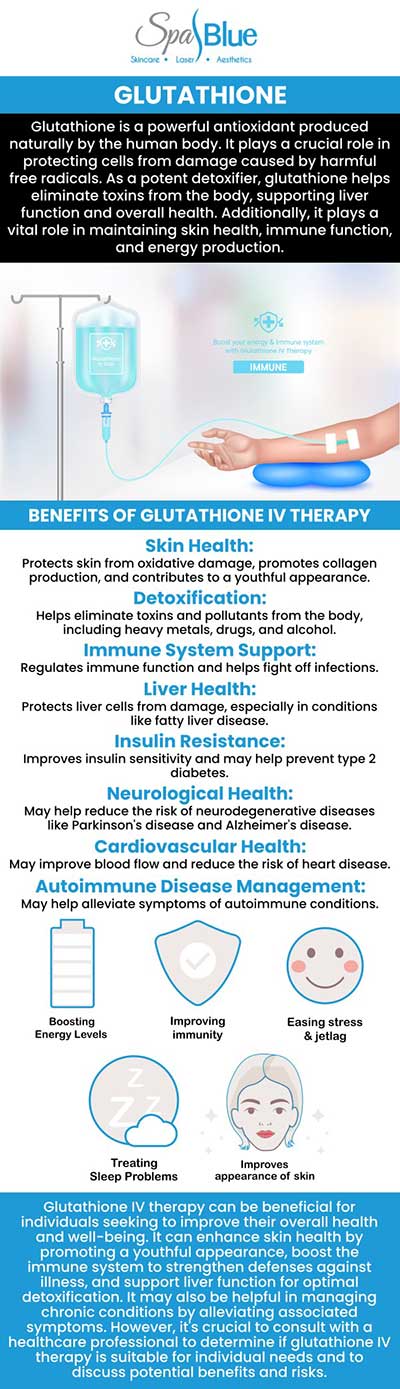
Initial Boost For individuals new to IV-glutathione infusions, starting with a more frequent schedule is often recommended
Reproducibility of brain spectroscopy at 7T using conventional localization and spectral editing techniques








.png)